Thinking about trading Bay Area prices for SouthPark living in Charlotte? You are not alone. Many professionals are weighing higher West Coast salaries against a more attainable lifestyle in North Carolina. In this guide, you will learn how the real costs stack up, where savings often show up, and how to build an apples-to-apples budget you can trust. Let’s dive in.
Why costs feel different
SouthPark sits in one of Charlotte’s most desirable submarkets, with a mix of single-family homes, townhomes, and mid-rise condos. The Bay Area offers many job centers and amenities, but housing is historically priced multiple times higher than Charlotte. State tax systems also differ in a big way, which changes your take-home pay. Daily life choices, like driving habits and childcare, add to the gap.
Housing costs in SouthPark
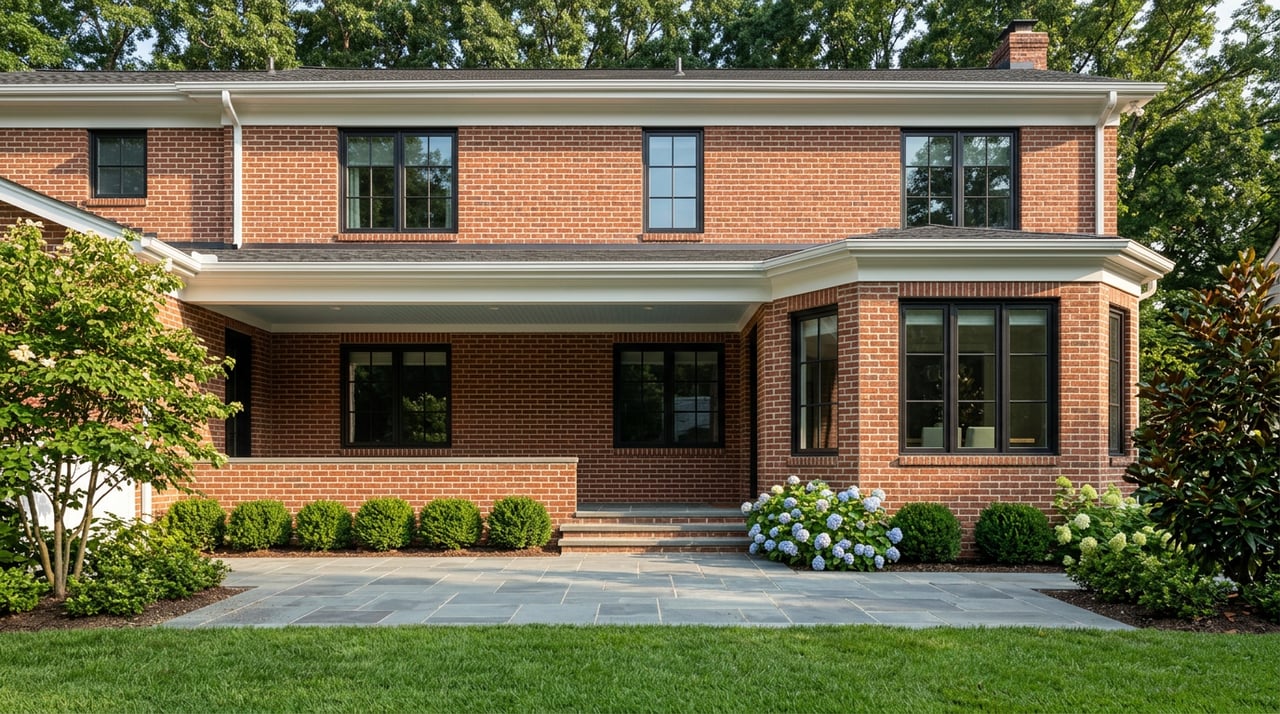
SouthPark is more upscale than the Charlotte average, yet still tends to be far below the cost of prime Bay Area neighborhoods. You will see condos, townhomes, and renovated single-family homes close to shopping, dining, and corporate offices. Many attached homes include HOA fees, which cover community upkeep and amenities. When you compare, look at price, HOA ranges, and how property taxes and insurance change your monthly payment.
If you would rent
Rents in SouthPark for 1 to 3 bedrooms are generally lower than comparable homes near Bay Area job centers. You will likely find newer buildings with on-site amenities at a lower monthly cost than similar buildings in San Francisco or the South Bay. Add utilities and parking to your estimate for a full picture.
If you would buy
Compare condos, townhomes, and single-family homes that match your needs. Factor in down payment, mortgage rate, HOA fees, property taxes, and homeowners insurance to find a true monthly number. In SouthPark, HOA fees are common for condos and townhomes and should be included in your budget. Bay Area buyers should also check for special assessments that can increase costs.
Taxes and take-home pay
California has a progressive state income tax, which can be significant for high earners. North Carolina uses a flat state income tax. That difference often improves your take-home pay when you live and work in Charlotte, especially at higher income levels. Property taxes, HOA fees, and any local assessments will also change your monthly housing cost.
Utilities and internet
Electricity providers and pricing structures differ. In Charlotte, summer air conditioning drives consumption, while in many Bay Area homes, heating and coastal climate patterns affect usage. Water and sewer charges vary by city. Both regions offer strong internet options, and SouthPark has reliable broadband, so include plan speed and monthly fees in your budget.
Transportation and commute
Charlotte is more car-dependent, especially for SouthPark residents commuting to Uptown or surrounding office parks. The LYNX light rail serves parts of the city, but many SouthPark commutes still rely on driving. In the Bay Area, you may have access to BART, Caltrain, or MUNI, plus bridge tolls and higher parking costs in some corridors. Gas prices and auto insurance costs also differ by state, so add fuel, insurance, maintenance, and parking to your monthly plan.
Groceries and dining
Grocery prices in the Bay Area tend to run above national averages. Charlotte is closer to, or slightly above, national averages. Dining out in SouthPark often stretches your dollar further than in popular Bay Area neighborhoods. To compare realistically, track your current spending by category and apply it to Charlotte menus and grocery lists.
Childcare and education
Childcare is a major line item in both markets, and it is often higher in the Bay Area. In Charlotte, prices vary by type of care and age group. For K–12 planning, use neutral, factual resources and visit schools to assess fit. Private school tuition ranges widely in both regions, so confirm current rates and waitlists early.
Healthcare and insurance
Both regions have strong hospital systems and specialists. Your employer’s plan and network will drive your premiums and out-of-pocket costs. Compare deductibles, in-network providers, and prescription coverage. If you are relocating, confirm how coverage works while you transition.
Lifestyle tradeoffs to expect
SouthPark offers a concentrated retail and dining scene, plus quick access to Uptown’s arts, professional sports, and entertainment. Outdoor time looks different: from SouthPark you are a drive away from the Blue Ridge mountains or the Carolina coast for weekend trips. Bay Area residents enjoy immediate access to the Pacific coastline and a dense network of parks. Weather also shifts your budget, since Charlotte’s hot summers increase AC use while Bay Area climates can be milder.
On a typical evening out, your SouthPark budget often covers a full dining experience with drinks at a lower spend than similar city neighborhoods in the Bay Area. That said, the Bay Area packs more world-class options into tighter areas. Your choice comes down to the mix of value, variety, and proximity you want day to day.
Three scenarios to model
Use these templates to create a realistic monthly budget before you move.
Scenario 1: Single renter, hybrid worker
- Location match: SouthPark apartment vs 1-bedroom in San Francisco or near SoMa/FiDi.
- Line items: rent, renter’s insurance, electricity, water, internet, cell phone, commuting costs, dining out, gym, and entertainment.
- Tax note: compare take-home pay under California’s progressive income tax vs North Carolina’s flat income tax.
Scenario 2: Family buying a 3-bedroom home
- Location match: SouthPark single-family vs South Bay suburb like Palo Alto/Mountain View or an East Bay alternative.
- Line items: mortgage principal and interest, HOA (if any), property taxes, homeowners insurance, utilities, internet, landscaping, childcare or after-school care, groceries, and family activities.
- School planning: tour local schools and map commute times to daily routines.
Scenario 3: Commuter vs remote worker
- Location match: SouthPark townhome vs East Bay townhome near major corridors.
- Line items: auto loan or lease, fuel, insurance, tolls or parking, maintenance, and transit passes.
- Time tradeoff: estimate door-to-door commute time and value it against housing savings.
Build your apples-to-apples budget
Follow these steps to compare SouthPark to your current Bay Area setup with confidence.
- Choose your comparator neighborhood. Match commute style, housing type, and amenities.
- Pick a realistic home. Use similar size, parking, and amenity sets. For buyers, list the target down payment and current interest rate you qualify for.
- Calculate monthly housing. Include mortgage or rent, HOA, property taxes, homeowners or renters insurance, and a maintenance reserve.
- Add utilities and internet. Estimate electricity, gas if applicable, water, sewer, trash, and broadband.
- Add transportation. Include fuel, insurance, tolls or parking, maintenance, and any transit costs.
- Add childcare and healthcare. Use current quotes for daycare, after-school care, or private programs, and your health plan’s premiums and out-of-pocket estimates.
- Compare taxes and net pay. Review state income taxes and any property-related assessments.
- Create monthly totals and a buffer. Add a 5 to 10 percent cushion for unexpected costs.
Hidden costs to watch
- Special assessments. In California, some areas add parcel taxes or special assessments that increase annual housing costs.
- HOA special projects. Either market can see temporary HOA increases for major repairs.
- Tolls and parking. Bay Area bridges and urban parking can add up quickly.
- Moving and setup. Budget for moving services, deposits, and utility or internet installation.
- Tax filing complexity. If you keep ties to California while working elsewhere, speak with a tax professional about your situation.
Is SouthPark or Charlotte a fit for you?
If you want an upscale neighborhood, strong amenities, and a more attainable path to homeownership, SouthPark can deliver meaningful savings over many Bay Area options. You can still access a growing finance and tech scene while enjoying shorter drives to nature and a calmer daily rhythm. The key is to model your exact lifestyle, not just headline housing prices.
If you want help building a custom budget, previewing homes that match your lifestyle, or coordinating a smooth cross-state move, connect with Barbara Pereira for concierge, white-glove guidance from search to closing.
FAQs
What is the biggest cost difference between SouthPark and San Francisco?
- Housing is the largest driver, with SouthPark homes and rentals typically priced far below comparable San Francisco neighborhoods when you match size and amenities.
How do North Carolina and California income taxes affect my pay?
- California’s progressive state income tax impacts high earners more, while North Carolina’s flat tax often boosts take-home pay at higher incomes.
Will I need a car if I live in SouthPark, Charlotte?
- Most SouthPark residents rely on a car for daily errands and work, though the LYNX light rail and rideshare options can complement driving.
How do property taxes compare for buyers?
- Effective property tax rates and assessments vary by county; include the published rate, any special assessments, and HOA fees to see the true monthly impact.
What childcare cost differences should families expect?
- Childcare tends to be high in both regions but is often higher in the Bay Area; obtain quotes for your child’s age and care type to confirm your real monthly number.