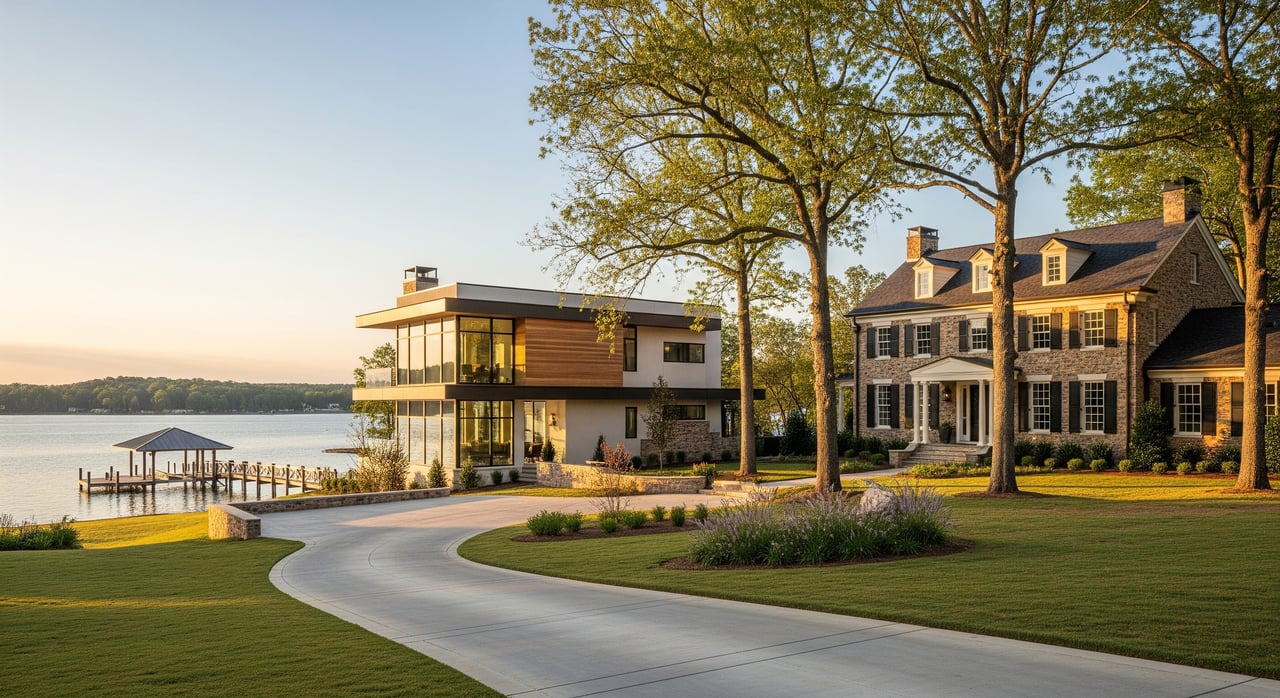
Thinking about buying in The Farms and wondering if a brand‑new build or a well‑kept resale is the smarter move? You’re not alone. Many Lake Norman buyers weigh customization and modern systems against speed, budget, and proven performance. In this guide, you’ll learn how new construction and resale compare on costs, timelines, HOAs, warranties, inspections, financing, and future resale. Let’s dive in.
The Farms and Lake Norman context
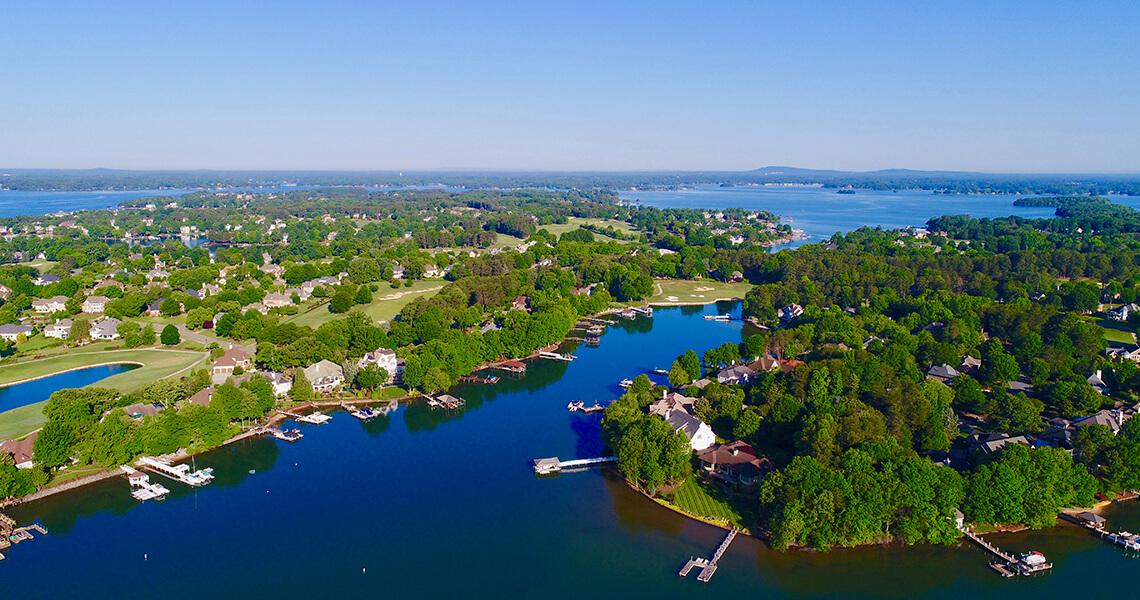
The Lake Norman area draws buyers who want lake access, newer master‑planned neighborhoods, and a comfortable commute to Charlotte. New construction is common here, while resale inventory appeals to those who want a faster closing or a potentially lower price. Waterfront lots and lake‑access homes often carry premiums and require extra due diligence around dock permits, floodplains, and insurance.
The Farms name appears in multiple Charlotte‑area suburbs. For any neighborhood‑level details, verify items like HOA dues, amenities, and lot sizes using the specific community’s governing documents and local MLS data. This extra step protects your budget and your future resale plans.
Cost comparison: what you really pay
New construction costs
New homes start with a base price and often add a lot premium, selected upgrades, landscaping, and site work. Utility tap fees and impact fees may apply. Builders sometimes offer incentives such as rate buydowns, closing cost help, or appliance packages, which can offset your out‑of‑pocket costs.
When you compare options, account for the total cost of ownership, not just the headline price. Upgrades add convenience and style, but they may not return dollar‑for‑dollar at resale. Keep a detailed, itemized list of included features versus upgrades so you know exactly what you’re paying for.
Resale costs
Resale pricing reflects condition, comparable sales, and market timing. You should factor in any needed updates or deferred maintenance when stacking a resale against a new build. Renovation costs can be predictable if you scope them early, and in some cases may be less than the premiums builders charge for similar finishes.
Move‑in timelines
New build timing
For a typical production home, plan on about 4 to 9 months from contract to completion. If a builder has a spec home already underway, you might move in within 2 to 4 months, depending on stage. Custom builds or larger lots can take 9 to 18 months or more, and delays can happen due to weather, supply chains, subcontractor availability, and permitting.
Resale timing
A standard resale closing often takes 30 to 60 days with a mortgage. If you’re paying cash or using a lender with a clear appraisal path, it can be faster. This timeline can be helpful if you’re coordinating a sale, lease end, or relocation.
Financing differences
Construction loans for new builds
Construction or construction‑to‑permanent loans function differently than a standard mortgage. Interest may accrue during the build, funds are drawn in stages, and the loan converts to a permanent mortgage once the home is complete. Not all lenders offer construction loans, and each has its own rules about interest reserves, inspections for draws, and documentation.
Traditional mortgages for resale
Conventional, FHA, VA, and USDA loans are commonly used for resale homes. Appraisal and underwriting are generally more straightforward than construction lending, which can simplify timing and risk.
Customization and upgrades
Building new
The biggest advantage is choice. You can often select layouts, materials, and certain room placements within the builder’s workflow. Just remember that high‑end custom finishes may look great to you but might not fully pay back at resale, especially if they narrow your future buyer pool.
Buying resale
You get less initial customization without renovation, but you can often update the home after closing. Depending on scope, renovating on your own timeline may be more cost‑effective than paying builder markups on upgrades.
Inspections and risk management
New construction inspections
Even brand‑new homes benefit from independent, staged inspections. Consider checks at the foundation (pre‑pour), pre‑drywall, and final stages. A thorough punch list should be created during the builder walkthrough; document each item, set timelines, and keep written records. Also be aware that heavy upgrades and lot premiums can create appraisal risk if comparable sales don’t fully support the contract price.
Resale inspections
A full home inspection is standard, and specialty checks such as pest, radon, septic, or HVAC may be warranted. Inspection findings can drive repairs, credits, or price adjustments, providing room to negotiate.
HOAs and covenants in The Farms
Obtain the full set of HOA documents and governance details. This includes CC&Rs, bylaws, architectural guidelines, budgets, reserve studies, audited financials, and recent meeting minutes. Review rental rules, boat and dock policies, and any history of special assessments. Verify how dues are billed and what they include.
Rules commonly seen in Lake Norman subdivisions include exterior standards, landscaping guidelines, architectural controls, and limits on short‑term rentals. If the community is still builder‑controlled, understand the transition plan to homeowner leadership and how that may affect budgets and reserves. Established associations usually offer more predictable financials and meeting transparency.
Warranties and punch lists
Many production builders use a “1‑2‑10” style warranty. Workmanship is often covered for one year, mechanical systems for two years, and structural elements for ten years. Read the warranty carefully and note the exclusions. Appliances and system manufacturers may provide separate warranties.
Before closing, complete a detailed walkthrough and punch list. Take photos, track dates, and maintain a log of communications. If you need to file warranty claims, be sure you understand the process, any requirements for mediation or arbitration in your contract, and timelines for repairs.
Resale and marketability in Lake Norman
Newer systems, energy efficiency, and modern floor plans tend to attract buyers, which can benefit future resale. Location and lot selection, including orientation and proximity to roads or greenways, often matter more to value than upgrades alone. Over‑customization can limit your buyer pool, so keep broader appeal in mind when making design choices.
Pricing strategy should rely on the closest comparable sales, ideally on the same street or with similar lot positions. Lake access or views, proximity to marinas, and easy reach to town centers are features many buyers prioritize. Market cycles also matter. New homes finished in a peak market may see softer pricing if demand cools later, while resale prices track closely with local absorption and comparable sales.
Quick due diligence checklist
If you’re building new
- Purchase agreement with an itemized list of included features and upgrades.
- Builder’s written warranty and claim process.
- Construction schedule, milestones, and contingency plans for delays.
- Lot plan, survey, grading and drainage plans, and HOA common‑area maps.
- Copies of permits and inspection sign‑offs, plus the certificate of occupancy.
- HOA governing documents, financials, reserve study, and recent meeting minutes.
- Details on any lender incentives and basic mechanical specs.
If you’re buying resale
- Seller property disclosure, plus any prior inspection reports.
- Receipts for major updates like roof, HVAC, or water heater.
- Recent utility bills to estimate operating costs.
- Full HOA document package and any notices about assessments.
Smart questions to ask
- Builders: timeline expectations, typical causes of delays, warranty terms, whether arbitration is required, HOA management and turnover timing, and access to final as‑built surveys and drainage plans.
- Sellers: reason for selling, length of ownership, what repairs or improvements were made with receipts, and whether any neighborhood issues are known.
Timeline snapshots
- New production or spec: contract to completion in roughly 2 to 9 months, then final inspection, punch list, certificate of occupancy, and closing.
- New custom: permitting, foundation, framing, finishes, inspections, and closing in roughly 9 to 18 months or longer.
- Resale: contract, inspections, appraisal and underwriting, and closing in about 30 to 60 days.
Negotiation levers
- New builds: rate buydowns, closing cost help, inclusion of specific upgrades, punch‑list holdbacks, and agreed timelines with defined remedies when available.
- Resale: inspection‑based repairs or credits, seller concessions, and possession timing.
How we can guide your decision
Choosing between new construction and resale in The Farms comes down to your timeline, budget, and the lifestyle features you value most. If you want personalization and newer systems and can wait, a new build may fit. If you want speed, clear operating history, and the ability to renovate on your own terms, a resale can be compelling.
You deserve a calm, clear process supported by local expertise and concierge care. If you want help comparing specific homes, reviewing HOA documents, or coordinating new‑build inspections and timelines, reach out to Barbara Pereira for boutique, white‑glove representation backed by strong brokerage resources.
FAQs
How long does new construction in The Farms area usually take?
- Typical production builds run about 4 to 9 months; spec homes can be 2 to 4 months if already underway, and custom builds often take 9 to 18 months or more.
What extra costs should I expect with a new build near Lake Norman?
- Expect a base price plus lot premium, upgrades, landscaping, site work, and possible utility or impact fees; builder incentives may offset some of these costs.
Do I need inspections on a brand‑new home in Lake Norman?
- Yes. Staged inspections at foundation, pre‑drywall, and final are recommended, along with a thorough punch list before closing.
How do HOAs in The Farms affect my purchase?
- Review CC&Rs, bylaws, ARB guidelines, budgets, reserves, and meeting minutes; verify dues, rental rules, and boat or dock policies before you commit.
What is a typical builder warranty for new construction?
- Many use a 1‑2‑10 model with one year for workmanship, two years for mechanical systems, and ten years for structural components, plus separate manufacturer warranties.
Is it easier to finance a resale than a new build?
- Usually. Resales often use conventional, FHA, VA, or USDA loans, while new builds may require construction loans with staged draws and different underwriting.
Will builder upgrades pay off at resale in The Farms?
- Not always. Highly customized or premium upgrades may not return dollar‑for‑dollar; lot quality and location often drive value more than finishes.