Torn between SouthPark’s polished retail scene and Dilworth’s tree‑lined streets? You’re not alone. Both are sought-after Charlotte neighborhoods with strong appeal, but they offer very different daily rhythms. In this guide, you’ll compare lifestyle, housing, commutes, schools, and even weekend access to Lake Norman so you can choose with confidence. Let’s dive in.
Where they sit in Charlotte
SouthPark sits about 5 to 8 miles south of Uptown, centered around SouthPark Mall and nearby office corridors. It is convenient to major roads and I‑485, which makes regional trips simple. You’ll find walkable retail nodes near the mall and Phillips Place, with most other errands done by car.
Dilworth is immediately south of Uptown, often within 0.5 to 2 miles. It has a classic streetcar-suburb layout with gridded streets that make walking and biking easy. Many residents bike or take a short drive to Uptown for work and events.
Lifestyle and neighborhood vibe
Dilworth: Historic, intimate, and close-in
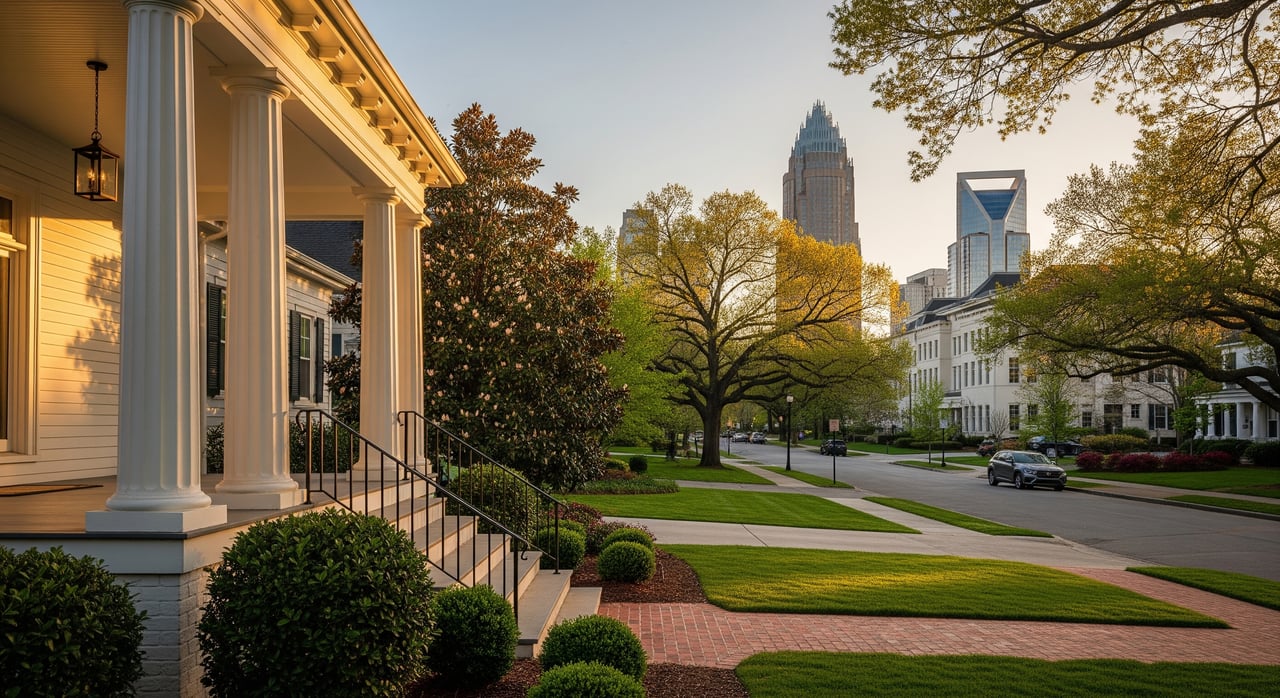
Dilworth carries early 20th-century charm with Craftsman bungalows, cottages, and historic multifamily buildings mixed with some townhomes and boutique condos. Tree-lined blocks and front porches set a relaxed tone. You are minutes from Uptown’s cultural venues and near neighborhood favorites along East Boulevard.
Freedom Park is a major perk. With its lake, trails, and fields, it acts like a backyard for many residents and adds to the everyday walkability. Sidewalks and a connected street grid make errands and dining on foot realistic for many blocks.
SouthPark: Polished, amenity-rich, and evolving
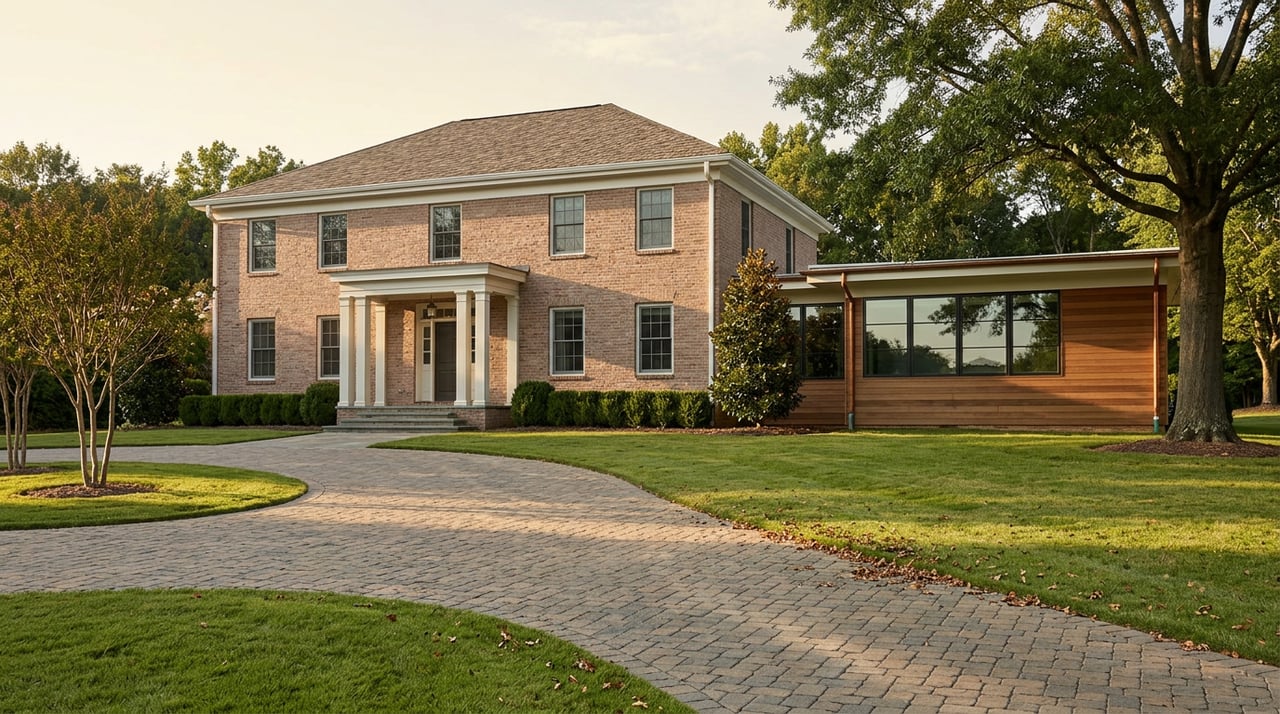
SouthPark blends mid-century single-family homes on larger lots with newer luxury condos and mixed-use communities. Around the mall, you get a dense cluster of upscale shopping, services, and restaurants, along with hotels that draw business travelers and event traffic.
Walkability is strong within retail nodes, though most daily errands outside those areas are car-based. Recent development has added more high-end condo towers and lifestyle amenities, and larger parcels allow for new construction and modern layouts.
Parks, greenways, and open space
Dilworth places you close to Freedom Park and neighborhood-scale greens. SouthPark offers smaller parks and good access to regional greenways, though it has fewer large signature parks nearby. Both areas connect to city greenways; check current maps and routes before you plan a regular walking or biking routine.
Homes and price positioning
Dilworth housing
Dilworth primarily offers small to mid-size historic single-family homes, plus some duplexes, townhomes, and boutique condos. Lots tend to be smaller than suburban counterparts, which suits buyers who value character and location over yard size. Inventory is often tight, and desirable homes can draw competitive offers.
SouthPark housing
SouthPark provides broader variety: mid-century ranches and traditional homes on moderate-to-large lots, gated and amenity communities, and a growing mix of luxury condos and townhomes near the mall. Newer construction is common, including subdivisions that deliver modern floor plans and finishes.
Market dynamics and HOAs
- Both neighborhoods sit above Charlotte’s overall median price, positioning them in the upper tier for in-town living.
- Dilworth often commands premium price per square foot due to its historic fabric, short Uptown access, and limited single-family supply.
- SouthPark’s variety can create more options across the high end, including new-builds and luxury towers.
- Many newer SouthPark developments include HOAs or condo dues, which affect monthly costs. Older single-family homes in Dilworth often have fewer HOA obligations, though townhomes and condos will include fees.
If you are comparing total carrying costs, factor price per square foot, lot size, HOA dues, days on market, and recent comparable sales in a 6 to 12 month window. These metrics will help you weigh Dilworth’s scarcity against SouthPark’s selection.
Commutes and regional access
Getting to Uptown
Dilworth offers very short commutes. Many residents walk or bike, or make a 5 to 15 minute drive depending on exact street and traffic. Proximity to the LYNX Blue Line corridor makes mixed-mode commuting practical if you prefer to park and ride.
SouthPark’s commute to Uptown typically runs 10 to 25 minutes by car. Timing matters. If you are sensitive to rush hour, test your route during peak periods to understand real-world patterns.
Highways, airport, and transit
SouthPark places you closer to I‑485 and key arterials, which helps with trips to south-side employment corridors and regional hubs. Dilworth’s access to those roads may require navigating Uptown-adjacent traffic. For current bus routes and schedule planning, use the Charlotte Area Transit System tools, and consider walkability scores as a quick benchmark using Walk Score.
Weekends at Lake Norman
If weekends on the water are part of your plan, both neighborhoods offer manageable drives to Lake Norman along I‑77. Typical travel times to southern access points on the lake often range from 30 to 60 minutes, depending on your launch site, time of day, and traffic. SouthPark can be slightly closer to I‑77 depending on your starting point, but in practice the difference is often small. Check live conditions through the North Carolina Department of Transportation at the times you expect to travel.
Schools and childcare
Both neighborhoods are served by Charlotte-Mecklenburg Schools, with access to district and magnet programs. Because assignment boundaries change, verify current school zones using the official CMS website. Private and independent school options are located in and around both areas, with varying admissions and commute considerations. When evaluating schools, review programs, transportation, and aftercare logistics to see what fits your family’s routine.
Shopping, dining, and services
SouthPark is a regional shopping node centered on SouthPark Mall and Phillips Place, with upscale retail, grocery choices, salons, and professional services in close reach. Many residents plan errands in a single loop around these hubs. You will also find a strong mix of destination dining suited for business meals and special occasions.
Dilworth leans local, with neighborhood corridors like East Boulevard offering independent boutiques, cafés, and everyday stops. Nightlife is more intimate and pedestrian oriented, and Uptown’s museums, theaters, and arenas are minutes away by bike, scooter, or a short drive.
Who each neighborhood fits
Dilworth may fit you if you want
- A short walk, bike, or drive to Uptown
- Historic charm with front-porch streets and smaller lots
- Everyday access to Freedom Park and local cafés
- To pay a premium for character and accept limited inventory
SouthPark may fit you if you want
- Newer construction or a luxury condo with amenities
- Larger lots or gated communities with common spaces
- Upscale retail, services, and dining in one area
- Easier highway access for regional commutes and travel
Key trade-offs to weigh
- Commute vs. lot size: Dilworth’s close-in location versus SouthPark’s larger yards and new builds.
- Historic character vs. development flexibility: Dilworth’s protected fabric versus SouthPark’s ongoing mixed-use growth.
- Upfront price vs. inventory: Dilworth’s scarcity and potential appreciation versus SouthPark’s wider selection.
- Monthly costs: HOA or condo fees for many SouthPark developments versus typically lower HOA exposure in older Dilworth single-family homes.
Your quick decision checklist
Use this short list to compare options like a pro:
- Visit both neighborhoods at different times: weekday morning, evening rush, and weekend. Note parking, noise, and walkability.
- Time your commute to Uptown, the airport, and extracurriculars. Save routes and compare travel times for a full week.
- Confirm school assignments through the CMS website, and map bus or aftercare logistics.
- Review transit options and park-and-ride choices via CATS. Consider your comfort with walking or biking to stops.
- Scan city plans and historic guidelines. The City of Charlotte Planning Department outlines historic-district guidance for Dilworth and shares proposed developments in SouthPark that could affect future character.
- If historic context matters, explore the National Register of Historic Places for background on Charlotte districts.
- Pull current comps, noting price per square foot, lot size, days on market, HOA dues, and inventory levels. Compare a 6 to 12 month window for both areas to see patterns.
How a concierge approach helps
If you are weighing Dilworth against SouthPark, you likely value lifestyle as much as layout. A concierge plan makes the choice easier. That includes curated property tours in both areas, commute tests at your key hours, side-by-side cost-of-ownership comparisons, and introductions to school and activity networks that match your routine. It also means careful guidance if you decide to expand the search toward Lake Norman for waterfront weekends while keeping a city base.
When you are ready, connect for tailored tours and a data-backed comparison that aligns with your goals. Contact Barbara Pereira to Request a Complimentary Home Valuation & Concierge Consultation.
FAQs
What is the main lifestyle difference between SouthPark and Dilworth?
- Dilworth offers historic, walkable, close-in living near Uptown, while SouthPark delivers amenity-rich shopping and dining with larger-lot homes and newer condos.
How long are typical commutes to Uptown from each neighborhood?
- Dilworth is often a walk, bike, or a 5 to 15 minute drive; SouthPark is typically a 10 to 25 minute drive depending on traffic and route.
Which area has better walkability for daily errands?
- Dilworth generally provides higher everyday walkability across its street grid; SouthPark’s walkability is strongest around the mall and Phillips Place nodes.
How do HOA or condo fees factor into the choice?
- Many newer SouthPark developments and condos have HOA or condo dues, while older single-family homes in Dilworth often have fewer HOA obligations.
How far is Lake Norman from SouthPark and Dilworth?
- From both neighborhoods, typical drives to southern access points on Lake Norman are about 30 to 60 minutes, depending on destination and traffic.