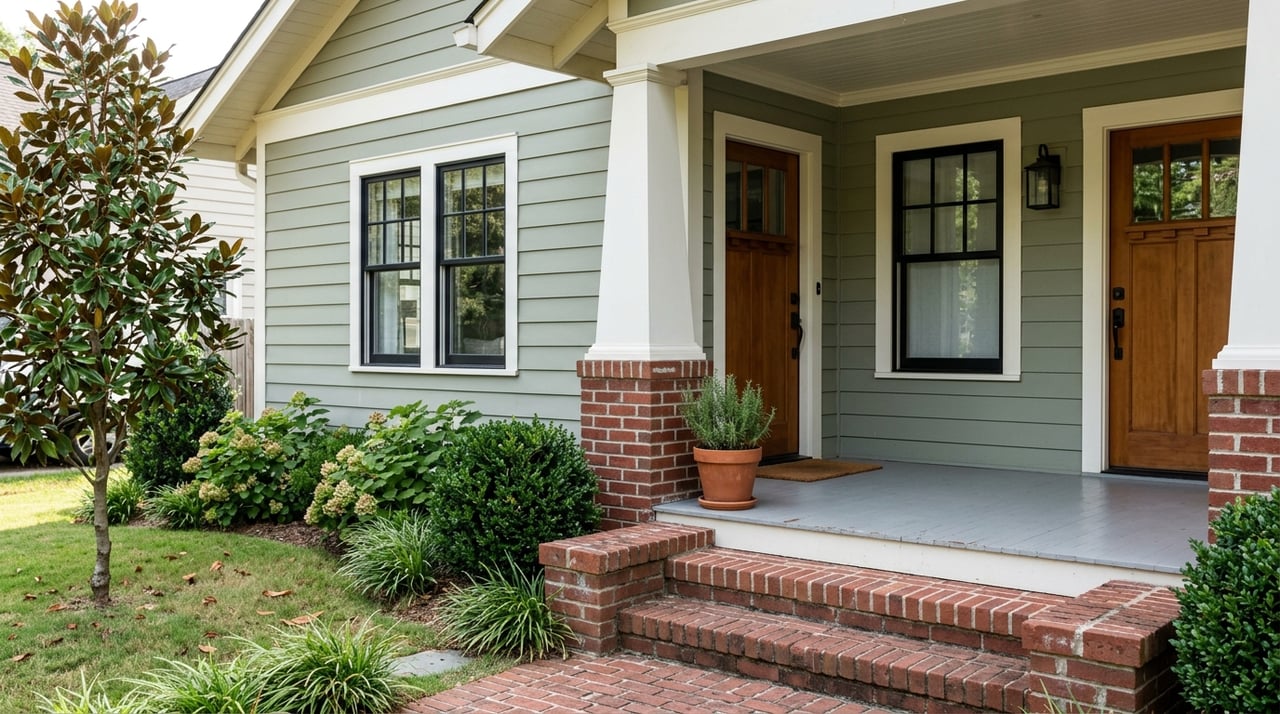
Trying to choose between a classic Dilworth bungalow and a newer urban townhome? You are not just picking a floor plan. In Dilworth, you are also choosing a lifestyle, a level of maintenance, and in many cases, how much control you want over future changes to your home. This guide will help you compare both options so you can move forward with more clarity and confidence. Let’s dive in.
Why this choice matters in Dilworth
Dilworth is not a typical Charlotte neighborhood. The City of Charlotte identifies it as one of the city’s local historic districts, founded in the 1890s as Charlotte’s first suburb and connected to downtown by the city’s first electric streetcar. That history still shapes the look and feel of the neighborhood today.
You can see that legacy in the streetscape, the architectural rhythm, and the mix of early 20th-century homes that still define much of the area. At the same time, Dilworth also benefits from its close connection to urban amenities near South End, the Rail Trail, and nearby retail and dining clusters. That blend of historic character and walkable convenience is exactly why the bungalow-versus-townhome decision feels so specific here.
Dilworth bungalows offer character
If you are drawn to charm, established streets, and original architecture, a Dilworth bungalow may feel like the clear winner. The city’s architectural survey notes that the historic district remains largely intact, with significance tied to its scale, massing, and the way homes relate to the street and each other.
In practical terms, that often means a home with more architectural personality and a stronger sense of place. You may also find more yard space and a more traditional detached-home feel than you would in a townhome or condo. For many buyers, that emotional connection is hard to duplicate.
What bungalow buyers should watch
The biggest tradeoff is flexibility. Because Dilworth is a local historic district, exterior changes are regulated, and Charlotte’s Historic District Commission requires permission and a Certificate of Appropriateness for many types of exterior work.
That can include changes to:
- Windows
- Doors
- Fencing
- Tree removal
- New construction
- Porches
- Roofs
- Yard features
This matters if you are buying with renovation plans in mind. The city survey specifically notes that bungalows are vulnerable to additions that change the original massing, and full upper-story pop-up additions can cause a home to lose contributing status. More modest rear additions are generally more likely to remain compatible.
Outdoor space is appealing, but not unlimited
A bungalow can offer more private outdoor space, which is a major plus for buyers who value a yard, a garden, or room to entertain. Still, outdoor changes are not always simple in a historic district.
Charlotte’s rules also apply to fencing and tree removal, and the city survey notes that garages and other outbuildings should remain modest and detached in scale. So while a bungalow may give you more outdoor room, it may also come with more oversight than you expect.
Parking may take more planning
Parking is another factor that deserves attention. Dilworth is part of Charlotte’s residential parking permit program, and the City has noted that South End growth is increasing parking demand in adjacent Dilworth streets.
If you are considering a bungalow, it is worth looking closely at off-street parking, driveway setup, garage function, and how guest parking works on that block. A beautiful historic home can feel very different day to day if parking is a constant puzzle.
Townhomes offer lower exterior upkeep
If your priority is convenience, a newer urban townhome or condo may make more sense. In North Carolina, association responsibilities are defined by law for planned communities and condominiums, with associations generally responsible for common elements and owners responsible for their lot or unit as described in the governing structure.
For many buyers, that usually translates to fewer direct exterior chores and a more lock-and-leave lifestyle. If you travel often, want less weekend upkeep, or simply prefer a more streamlined ownership experience, this can be a real advantage.
Association rules replace some freedom
Less exterior maintenance does not mean no restrictions. With townhomes and condos, you are often trading historic-district oversight for HOA or condo association rules, budgets, and reserve decisions.
North Carolina law allows common elements and limited common elements to be allocated differently in the declaration. That means patios, balconies, roofs, courtyards, and similar features may be partly or fully association-controlled rather than entirely private. Before you assume a townhome means easy ownership, it is important to review the governing documents carefully.
Outdoor space is usually smaller
Compared with a bungalow, a townhome or condo often offers less private outdoor area. You may have a balcony, patio, or small courtyard, but the amount of control you have over that space can vary.
For some buyers, that is a fair trade for less upkeep and better proximity to restaurants, shops, and transit-adjacent amenities. For others, especially if private yard space matters, it can feel limiting over time.
Parking details matter here too
Parking is just as important with urban townhomes and condos, sometimes more so. The City connects South End growth to increased parking demand in adjacent Dilworth, which means buyers should pay close attention to deeded spaces, assigned spaces, visitor parking, and guest-permit rules.
If you are a one-car household, this may be manageable with the right setup. If you regularly host guests or have multiple vehicles, parking details should be part of your decision from the start.
Lifestyle fit often decides it
In Dilworth, this decision is rarely just about square footage. It is about how you want to live day to day.
A bungalow often fits buyers who value:
- Historic character
- More privacy
- More yard space
- A detached-home feel
- Long-term appreciation for original architecture
A townhome or condo often fits buyers who value:
- Lower exterior upkeep
- A more lock-and-leave lifestyle
- Proximity to nearby urban amenities
- Simpler day-to-day maintenance
- Compact living with less yard work
Dilworth’s location near the Blue Line Rail Trail and the retail and dining clusters around South End adds another layer to this comparison. If being close to shops, restaurants, outdoor seating, and pedestrian-friendly routes is part of your ideal routine, a townhome or condo may line up naturally with that lifestyle. If your ideal day starts on a front porch or in a private backyard, a bungalow may feel more like home.
Budget in Dilworth can vary widely
Dilworth is a high-demand neighborhood, but the price picture depends on the data point and the property type. Realtor.com reported a March 2026 median listing price of $650,000 for Dilworth overall, while Zillow’s April 30, 2026 home-value index placed the average home value at $778,751. Redfin reported a March 2026 median sale price of $577,500 and $491 per square foot.
These figures are not directly comparable, but they point to the same conclusion: Dilworth commands premium pricing, and condition, architecture, and location within the neighborhood matter a great deal. That is especially true when you compare historic homes with newer attached options.
The gap can be even wider inside the neighborhood itself. Realtor.com also reported a median listing price of $1.65 million for the Dilworth Historic District subset, compared with $650,000 for Dilworth overall. That spread shows how strongly historic status, lot size, renovation level, and home type can influence price.
Questions to ask before you choose
If you are narrowing the search, these questions can quickly point you in the right direction:
- How much time do you want to spend on home maintenance?
- Do you want a private yard, or would shared or smaller outdoor space work?
- How important is parking certainty for your daily routine?
- Are you comfortable navigating historic-district approvals for exterior changes?
- Would you rather have architectural charm or a more low-maintenance setup?
- Do you want a detached home feel or a more compact urban lifestyle?
When you answer those honestly, the right choice often becomes clearer. In Dilworth, there is no one-size-fits-all winner. The better option is the one that best supports your routine, your budget, and the kind of homeownership experience you actually want.
The bottom line for Dilworth buyers
Choosing between Dilworth bungalows and urban townhomes is really a choice between two different versions of living well in the same sought-after neighborhood. One offers historic charm, outdoor space, and architectural presence, but with more oversight and maintenance. The other offers convenience, lower exterior upkeep, and easy access to nearby amenities, but often with more shared rules and less private space.
If you want help comparing specific homes, reviewing lifestyle tradeoffs, or narrowing your search in Charlotte with a more tailored strategy, Barbara Pereira can guide you with the kind of concierge-level support that makes a complex decision feel much more manageable.
FAQs
What makes Dilworth bungalows different from other older homes in Charlotte?
- Dilworth bungalows are part of a local historic district, so their value often includes original architectural character, established streetscape appeal, and exterior review requirements that do not apply in many other neighborhoods.
What should buyers know about historic rules in Dilworth?
- In Dilworth’s local historic district, many exterior changes require permission and a Certificate of Appropriateness, including work involving windows, doors, fences, tree removal, and new construction.
What are the main benefits of townhomes in Dilworth?
- Townhomes and condos often offer lower direct exterior upkeep, a more lock-and-leave ownership style, and convenient access to nearby urban amenities, though buyers still need to review association rules and responsibilities carefully.
How important is parking when buying in Dilworth?
- Parking is an important factor for both bungalows and townhomes because Dilworth is affected by residential permit parking rules and increased demand tied to nearby South End growth.
Is a bungalow or townhome usually more expensive in Dilworth?
- Pricing varies widely by property type, condition, and exact location, but research shows the Dilworth Historic District subset has listed at much higher median prices than Dilworth overall, which can make many historic bungalows significantly more expensive than some attached options.
What type of buyer is usually a better fit for a Dilworth bungalow?
- Buyers who value historic character, more private outdoor space, and a detached-home feel, and who are comfortable with more maintenance and exterior review rules, often find that a bungalow is the better match.