If you want a Charlotte neighborhood where you can leave the car parked more often, Dilworth usually lands near the top of the list. You may be looking for a place that feels connected, historic, and easy to navigate day to day, without giving up access to Uptown, South End, or major medical centers. That is exactly why Dilworth stands out. In this guide, you’ll get a practical look at what it’s like to live in walkable Dilworth, Charlotte, and what to keep in mind if you are considering a move. Let’s dive in.
Why Dilworth Feels Different
Dilworth has deep roots in Charlotte’s growth. According to the City of Charlotte, it was founded in the 1890s as the city’s first suburb and connected to downtown by Charlotte’s first electric streetcar. That history still shapes the neighborhood today.
You can see it in the street pattern and architecture. The city notes that the Olmsted Brothers helped shape Dilworth’s curved roads, and the neighborhood is known for tree-lined streets and historic homes. Dilworth was also listed on the National Register of Historic Places in 1987, which reinforces its long-standing identity.
Historic Character Shapes Daily Life
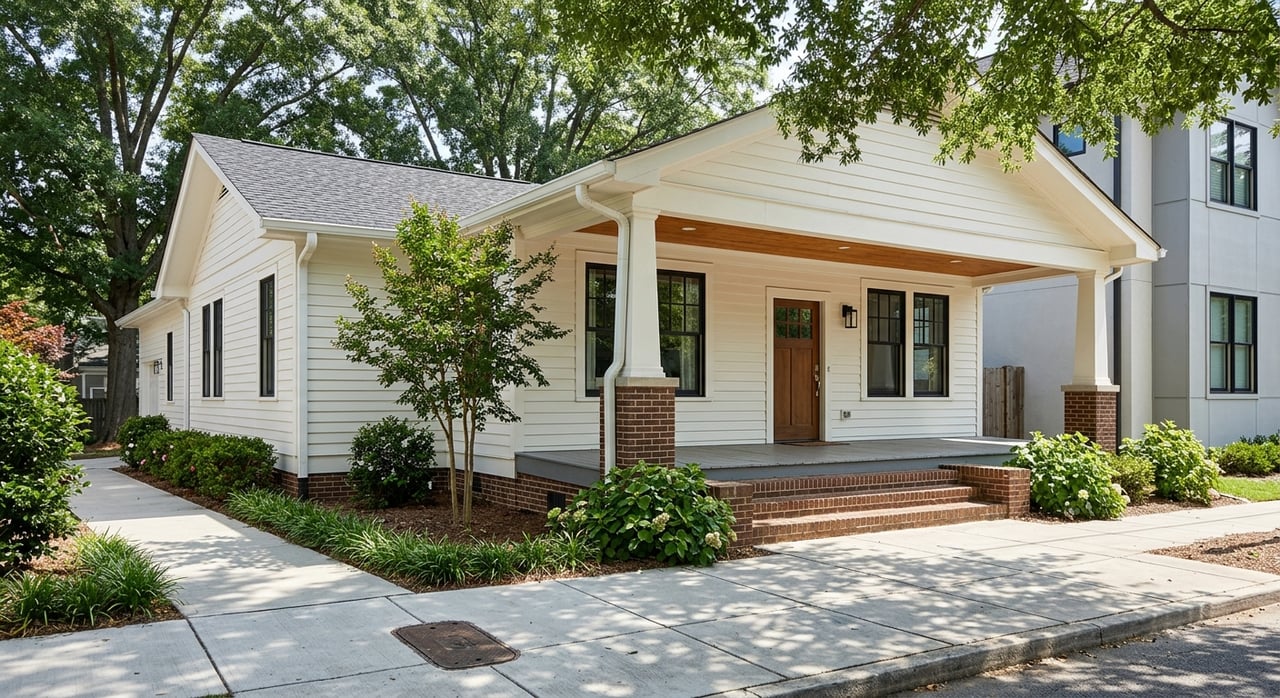
Living in Dilworth often means living around architecture that tells a story. A City of Charlotte architectural survey describes a mix of larger houses and apartment buildings along East Boulevard, substantial bungalows on East Kingston and East Worthington, plus historic-revival homes, quadraplexes, and apartment buildings from the 1920s.
That variety gives the neighborhood texture. Instead of one housing style repeating block after block, you get a more layered streetscape with older homes, multifamily buildings, and newer infill near some edges. For many buyers, that mix is a big part of Dilworth’s appeal.
There is also a preservation component to understand. Because Dilworth is a local historic district, the City of Charlotte says exterior changes to homes and many site alterations require review and a Certificate of Appropriateness. In simple terms, that process helps preserve the neighborhood’s cohesive look.
Walkability in Real Life
Walkability means more than a score, but Dilworth has that too. Redfin describes Dilworth as fairly walkable and gives it a Walk Score of 78. That lines up with what many people are really asking: can you get out, move around, and enjoy daily life without relying on your car for every errand?
In Dilworth, the answer is often yes, depending on where you live and where you are headed. The neighborhood’s connected street grid, older development pattern, and close-in location make it easier to build routines around walking, biking, and transit. That creates a lifestyle that feels more urban and more flexible than many lower-density parts of Charlotte.
The Rail Trail Adds Everyday Convenience
One of Dilworth’s biggest lifestyle advantages is its relationship to the Charlotte Rail Trail. The city says the 11-mile trail runs parallel to the Blue Line and connects to 15 bicycle routes. In some sections, it functions as an urban greenway lined with shops, restaurants, outdoor seating, and public gathering spaces.
That matters because it changes how your day can flow. A trail like this is not just for exercise. It can also be part of your commute, a quick way to meet friends, or an easy path for getting around nearby districts.
The city also notes that some sections of the Rail Trail see more than 2,000 users per day. That kind of regular use speaks to how central it is to the rhythm of nearby neighborhoods, including Dilworth.
Transit Access Keeps You Connected
If you want close-in access without feeling completely car-dependent, transit is a major part of the equation. The East/West Blvd Station at 1821 Camden Street includes bike racks, bus connections, and a lighted, accessible platform.
That setup makes it easier to connect to other parts of Charlotte. It also supports the kind of mixed routine many buyers want today, where you might drive some days, take transit on others, and walk or bike when the weather is good.
Dilworth’s location near Uptown and South End is part of its appeal. The neighborhood gives you a residential setting, but you are still close to major employment and activity centers.
Parks and Neighborhood Anchors
Walkable neighborhoods work best when they have places that support everyday life. In Dilworth, Latta Park at 601 E Park Ave. is one of those anchors. Nearby green space adds breathing room and gives residents a place to walk, relax, and spend time outdoors.
Another neighborhood anchor is Dilworth Elementary at 405 E Park Ave. Charlotte-Mecklenburg Schools notes that it sits in the heart of the neighborhood and in close proximity to downtown Charlotte. When people talk about Dilworth having a lived-in, residential feel, these kinds of institutions are a big reason why.
Together, the park, school, and surrounding streets help the neighborhood feel established and active. You are not just near Charlotte’s urban core. You are in a place with its own daily rhythm.
Housing Options in Dilworth
Dilworth is not a one-size-fits-all neighborhood. The historic survey materials show a range of older home types and multifamily buildings, and today’s market also includes condos and townhouses alongside single-family homes.
That wider mix can be helpful if you want the Dilworth lifestyle but not necessarily the same type of property as your neighbor. Redfin reported 45 condos and 11 townhouses among listings last month, which reflects real variety in the current housing stock.
You may find:
- Historic bungalows
- Larger older homes
- Condo units
- Townhomes
- Apartment buildings in some areas
- Renovated and infill properties near the edges
This range is one reason Dilworth appeals to different kinds of buyers. Some want historic charm. Others want a lower-maintenance option with the same location benefits.
Price Points Vary More Than You Might Expect
One of the most important things to understand about Dilworth is that pricing is not uniform. The broader neighborhood and the smaller historic district can show very different numbers.
According to Realtor.com, the current neighborhood snapshot shows a median listing price of $580,000 and a median days-on-market figure of 30 days. Redfin reports a March 2026 median sale price of $577,500 for Dilworth.
By contrast, Redfin’s Dilworth Historic District page shows a much higher median sale price of $1.43 million. That gap helps explain an important reality: a condo or townhouse in the broader Dilworth area may sit in a very different price tier than a property in the most historic and protected blocks.
Here is the practical takeaway. If you love Dilworth, it helps to define which part of the neighborhood and which type of home fits your goals. The answer may be very different depending on whether you want a condo near trail access or a historic home in the district core.
Medical Access Is a Major Convenience
For many buyers, Dilworth’s location near major hospitals is more than a side note. Atrium Health Carolinas Medical Center at 1000 Blythe Blvd. is Atrium’s flagship hospital and the region’s only Level 1 trauma center. Atrium Health Mercy is at 2001 Vail Ave., and Novant Health Presbyterian Medical Center is at 200 Hawthorne Lane.
That proximity can be especially meaningful if your work, family needs, or lifestyle priorities make quick access to medical care important. It is also part of what gives Dilworth such a practical location within Charlotte.
Parking Is One Tradeoff
Every neighborhood has tradeoffs, and in Dilworth, parking is worth noting. The City of Charlotte Parking program says its Strategic Parking Plan recommends a pilot parking permit program in Dilworth and Wilmore because South End growth has increased on-street parking demand in adjacent neighborhoods.
What does that mean for you? In short, Dilworth can feel more urban when it comes to parking. If you are moving from a less dense area of Charlotte, that is something to be aware of when comparing homes and blocks.
Who Dilworth Fits Best
Dilworth tends to appeal to buyers who value convenience, character, and a close-in lifestyle. If you want large lots, newer suburban street patterns, and easy parking everywhere, this may not be your ideal match.
But if you want historic surroundings, everyday walkability, trail and transit access, and a neighborhood feel near Uptown and South End, Dilworth offers a compelling blend. It is the kind of place where location shapes your routine in a meaningful way.
If you are weighing Dilworth against other Charlotte neighborhoods, the right choice often comes down to how you want to live day to day. If walkability and character sit high on your list, Dilworth deserves a closer look.
When you are ready to explore Charlotte neighborhoods with a more tailored strategy, Barbara Pereira can help you compare lifestyle, price point, and property type so you can move with confidence.
FAQs
What is walkability like in Dilworth, Charlotte?
- Dilworth is considered fairly walkable, and Redfin gives the neighborhood a Walk Score of 78.
What kinds of homes are available in Dilworth, Charlotte?
- Dilworth includes historic homes, bungalows, condos, townhouses, apartment buildings, and some newer infill properties, based on the city’s architectural survey and current market listings.
How expensive is living in Dilworth, Charlotte?
- Price points vary widely. Realtor.com shows a median listing price of $580,000 for the broader neighborhood, while Redfin reports a much higher median sale price for the Dilworth Historic District.
Is Dilworth, Charlotte close to transit?
- Yes. The East/West Blvd Station provides light rail access along with bus connections, bike racks, and an accessible platform.
What daily amenities support life in Dilworth, Charlotte?
- Key neighborhood anchors include Latta Park and Dilworth Elementary, along with access to the Charlotte Rail Trail.
What should buyers know about historic district rules in Dilworth, Charlotte?
- Because Dilworth is a local historic district, the City of Charlotte says many exterior changes and site alterations require review and a Certificate of Appropriateness.